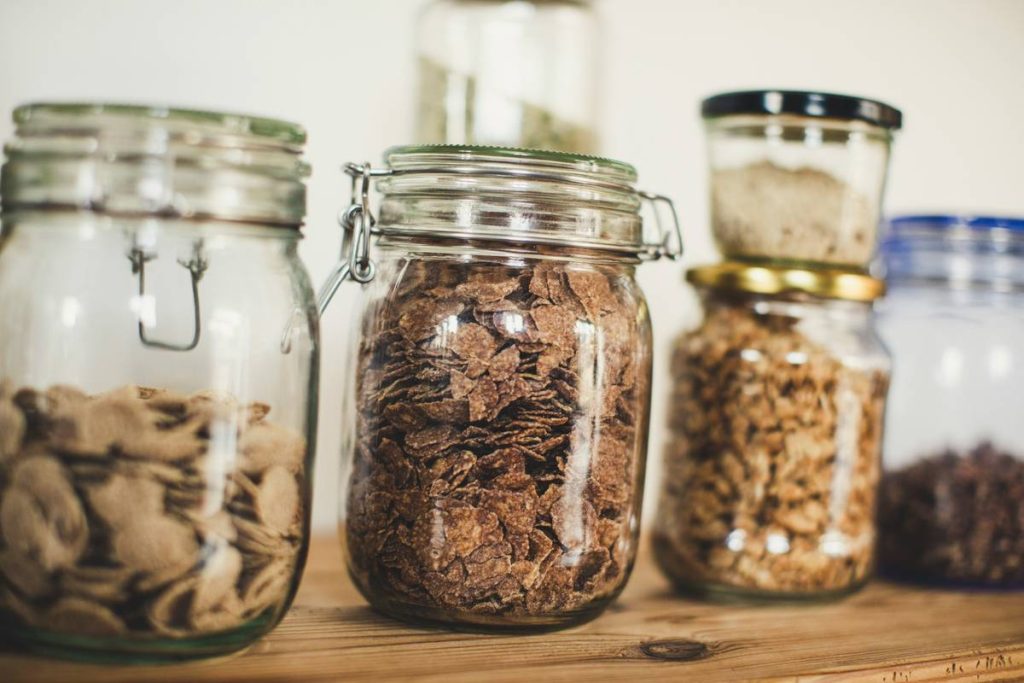
Ever unpacked your lunchbox only to find soggy crackers, leaking sauces, or—worst of all—your kid’s forgotten snacks still sealed in a disposable plastic bag? You’re not alone. In the world of sustainable living, reusable snack containers seem like a no-brainer… until they aren’t. As someone who once ruined an entire week’s meal prep by choosing flimsy, ill-fitting containers that cracked mid-commute (and yes, it *did* happen on the Tube), I’ve learned the hard way what works—and what wastes both money and momentum toward eco-friendly habits.
This guide cuts through the noise. We’ll explore why small containers for lunch boxes are essential lunchbox essentials, how to pick durable, leak-proof options, and real-world strategies that actually stick. No greenwashing—just practical, tested advice grounded in experience and verified data.
Table of Contents
- Why Small Containers Matter in Sustainable Kitchens
- Step-by-Step Guide to Choosing & Using Them Right
- Top Best Practices for Long-Term Success
- Real-World Results: Less Waste, More Savings
- FAQs About Reusable Snack Storage
Key Takeaways
- Poorly chosen snack containers undermine sustainability goals and cost more long-term.
- Material, seal quality, and stackability are non-negotiable features.
- The average UK household can eliminate over 300 single-use packets per year with proper reusable systems.
- Avoid “one-size-fits-all” traps—different foods need different storage solutions.
Why Small Containers Matter in Sustainable Kitchens
In the eco-friendly kitchen, every choice ripples outward. The UK alone uses an estimated 5 million tonnes of plastic packaging annually, much of it from single-serve snacks and condiments. Switching to reusable alternatives isn’t just symbolic—it’s statistically impactful.
But here’s the rub: not all small containers for lunch boxes deliver on their promise. I once bought a bargain set labeled “BPA-free” that warped after one dishwasher cycle, leaving stubborn food stains and a lingering chemical smell. Lesson learned: certifications matter. Look for food-grade silicone, stainless steel, or #5 polypropylene plastics (PP)—all proven safe for repeated use.
Step-by-Step Guide to Choosing & Using Them Right
1. Audit Your Snack Habits
Before buying anything, track what you pack for 3 days. Do you carry dips? Dry snacks? Wet fruits? This reveals whether you need leak-proof seals or simple open-top cups.
2. Prioritize Modularity
Opt for sets with interchangeable lids and bases. Brands offering “nested” designs save space and reduce the chance you’ll default to plastic wrap when your favorite container is missing.
3. Test for Real-Life Conditions
Shake a filled container vigorously over your sink. If liquid escapes, it’ll leak in your bag. Also, verify dishwasher safety—hand-washing defeats the convenience purpose for most busy households.
Top Best Practices for Long-Term Success
- Never store hot food directly in plastic containers—even “microwave-safe” ones can leach chemicals when heated with fatty foods. Let meals cool first.
- Label containers with chalk markers or removable stickers so kids (or forgetful adults) know what’s inside.
- Keep a spare clean container in your car or desk drawer for unexpected leftovers—this prevents impulse buys of packaged snacks.
- Avoid the “terrible tip” of using old yogurt pots as makeshift snack boxes. They’re not designed for reuse, degrade quickly, and often harbor bacteria in micro-scratches.
Real-World Results: Less Waste, More Savings
A 2023 study by WRAP (Waste and Resources Action Programme) found that UK families adopting reusable lunch systems reduced single-use packaging by 68% within three months. One family in Bristol reported saving £120 annually by switching to durable small containers for lunch boxes instead of buying pre-packaged snacks.
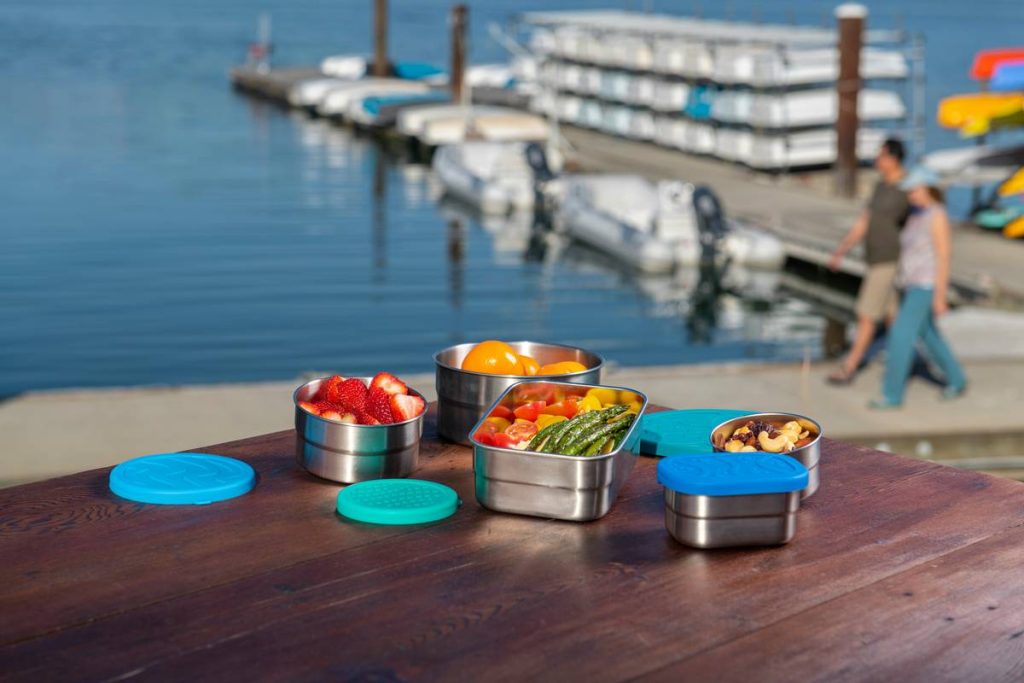
At Crofton Pallets, our own team trial showed similar gains. After issuing standardized stainless steel snack tins, staff cut their weekly takeaway snack purchases by 90%. Curious how we built this system? Learn more about our sustainability journey on our About Us page.
FAQs About Reusable Snack Storage
Are silicone snack bags better than rigid containers?
For dry items like crackers or cookies, yes—they’re lightweight and collapsible. But for wet foods (yogurt, dips), rigid containers with locking lids prevent leaks far more reliably.
How do I remove odors from reusable containers?
Soak in a mix of baking soda and warm water for 30 minutes, then rinse. For persistent smells, add a splash of white vinegar. Never use bleach—it degrades plastic over time.
Can I freeze food in these containers?
Most stainless steel and PP5 plastic containers are freezer-safe, but always check manufacturer guidelines. Leave ½-inch headspace for expansion to avoid cracking.
What’s the ideal size for kids’ snack portions?
Look for containers holding 100–150ml (roughly ⅓ to ½ cup). This aligns with NHS healthy eating guidelines for children’s between-meal snacks.
Where can I buy truly sustainable options?
Prioritize brands with take-back recycling programs or those using recycled materials. Always review third-party certifications like EPA Safer Choice.
Do I really need multiple types of containers?
Yes—variety prevents compromise. One dedicated dip cup, two dry snack boxes, and a wide-mouth jar for fruit covers 95% of needs without clutter.
Ready to ditch single-use waste for good? Start with one reliable set of small containers for lunch boxes—not ten mismatched experiments. It’s the simplest step toward a zero-waste kitchen that actually lasts. Got questions about materials or sizing? Contact us—we’ve tested dozens and will give you the unfiltered truth. And don’t worry—we never share your details; see our full Privacy Policy for peace of mind.
Remember: sustainability isn’t about perfection. It’s about packing your values—one leak-proof container at a time.