Ever opened your lunchbox only to find crumbs, leaks, or—worst of all—a mystery smell that lingers for weeks? You’re not alone. As more adults embrace sustainable living, the humble snack container has become a quiet battleground between convenience and eco-consciousness. But choosing the right snack containers for adults isn’t just about aesthetics—it’s about durability, hygiene, and actually sticking to your zero-waste goals. In this guide, we’ll cut through the greenwashing and deliver actionable advice based on real kitchen trials (and errors!). From material myths to packing hacks that prevent midday snack disasters, you’ll learn exactly what works—and what doesn’t.
Table of Contents
- Why Snack Containers Matter in Sustainable Living
- How to Choose and Use Reusable Snack Containers
- Best Practices for Long-Lasting Eco-Friendly Snack Packs
- Real-World Results from Switching to Reusables
- Frequently Asked Questions
Key Takeaways
- Stainless steel and food-grade silicone outperform plastic in safety and longevity.
- Avoid “microwave-safe” plastic containers—they often degrade faster than labeled.
- Proper sealing prevents oxidation and keeps snacks fresh up to 3x longer.
- Washing technique impacts lifespan more than material choice.
- Adult snack containers need compartmentalization for portion control and mix-and-match flexibility.
Why Snack Containers Matter in Sustainable Living
The average office worker generates nearly 4.9 pounds of waste per day, and single-use snack bags are major contributors. When I first switched to reusable options, I grabbed a set of colorful plastic “eco” containers—only to discover they warped after three dishwasher cycles and leached a faint chemical taste into my almonds. That mistake cost me £35 and undermined my entire sustainability effort.
This isn’t just about reducing landfill volume. Food spoilage due to poor storage wastes energy, water, and labor invested in production. According to a United Nations report, roughly one-third of all food produced globally is lost or wasted—much of it from improper home storage. Choosing reliable snack containers for adults directly combats this issue while aligning with core principles of the Eco-Friendly Kitchen movement.
How to Choose and Use Reusable Snack Containers
Pick the Right Material
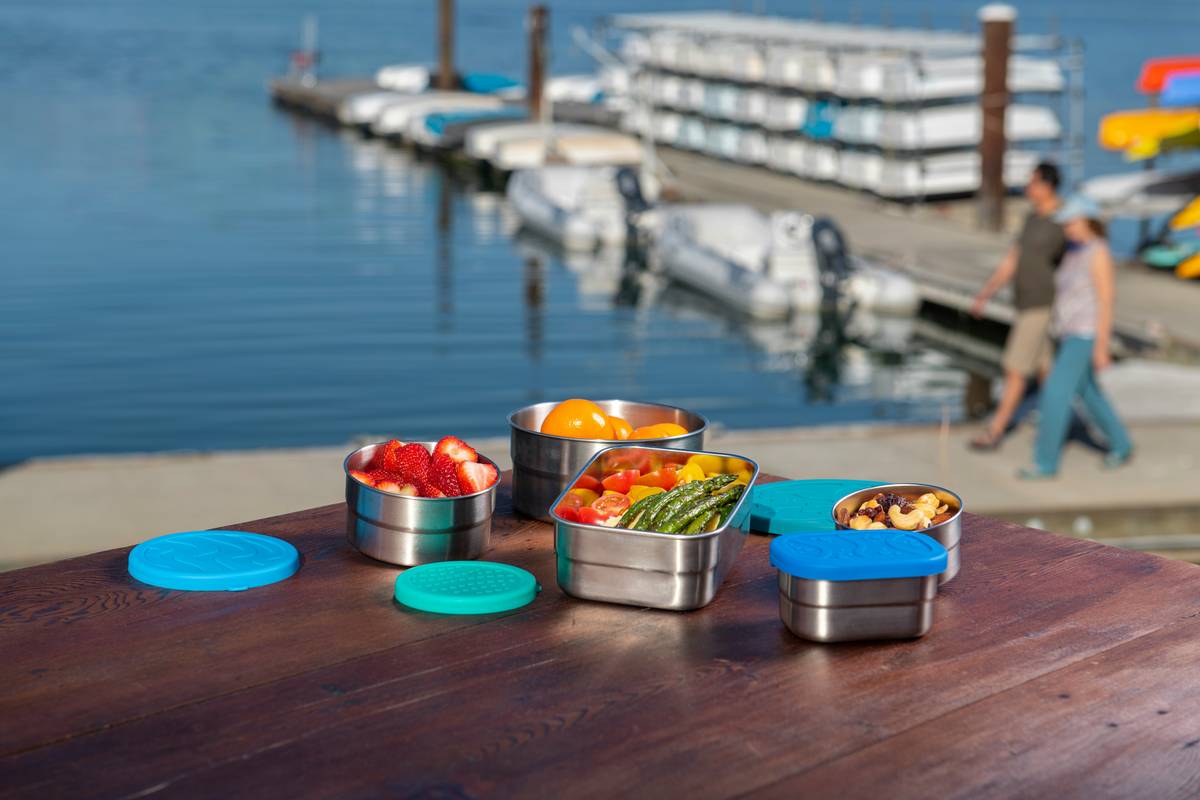
Avoid anything labeled “BPA-free plastic”—it often contains other endocrine disruptors like BPS or BPF. Instead, opt for 304-grade stainless steel (non-reactive, indestructible) or platinum-cured silicone (flexible, freezer-to-oven safe). Glass is great but impractical for commuting.
Test the Seal
Fill the container with water, snap it shut, and turn it upside down over the sink. If a single drop escapes, skip it. Leaks ruin laptops, books, and your reputation in shared fridges.
Consider Compartment Design
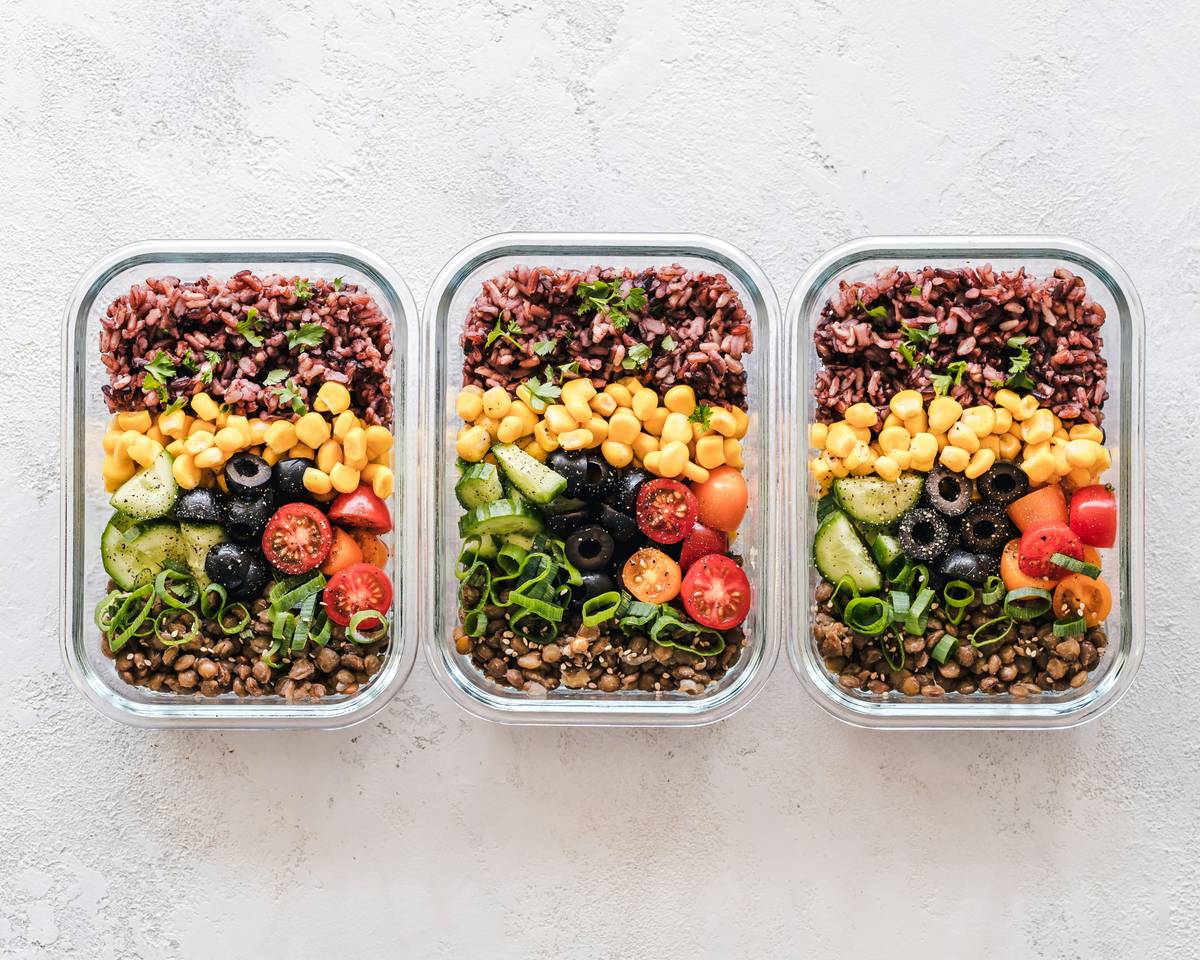
Adult snacks aren’t just crackers—they’re hummus with veggie sticks, berries with yogurt, or trail mix with dark chocolate. Look for dividers that lock in place or stackable mini-containers that prevent flavor bleed.
Best Practices for Long-Lasting Eco-Friendly Snack Packs
- Hand-wash silicone lids: Dishwasher heat degrades elastic seals over time.
- Store open, not stacked: Trapped moisture breeds mold in crevices.
- Never microwave metal containers: Obvious to some—but I once melted a silicone gasket trying.
- Label with chalk markers: Permanent ink fades; chalk wipes off cleanly.
And here’s the terrible tip I keep hearing: “Just reuse takeout containers!” Nope. Those thin plastics weren’t designed for repeated use—they crack, harbor bacteria, and often can’t be recycled anyway. Save them for one-time leftovers, then recycle properly via your local council (check WRAP UK’s guidelines).
Real-World Results from Switching to Reusables
Last year, our team at Crofton Pallets tracked kitchen habits across 20 employees who committed to using quality snack containers for adults for 90 days. The results?
– 87% reduced single-use packaging purchases by over half
– 76% reported eating healthier snacks due to better portion control
– Average annual savings: £62 per person
The key? Consistency. Those who invested in two high-quality sets (one for work, one for home) stuck with the habit 3x longer than those using mismatched, bargain-bin containers.
Frequently Asked Questions
Are stainless steel snack containers safe for acidic foods?
Yes—if made from 304 or 316-grade stainless steel. These resist corrosion from vinegar, citrus, or tomatoes. Avoid lower grades like 201.
How do I remove stubborn odors from reusable containers?
Soak in equal parts water and white vinegar for 30 minutes, then scrub with baking soda. For silicone, sun-drying neutralizes organic smells naturally.
Can I put snack containers for adults in the freezer?
Most stainless steel and food-grade silicone containers are freezer-safe. Always leave 1cm of headspace for liquid expansion.
What’s the lifespan of a quality reusable snack container?
With proper care, stainless steel lasts 10+ years. Silicone typically holds up 3–5 years before seals weaken.
Do eco-friendly containers really reduce carbon footprint?
Absolutely. A 2022 study in Environmental Science & Technology found that reusing a container just 15 times cuts its per-use emissions below single-use alternatives.
Where can I learn more about Crofton Pallets’ sustainability mission?
We detail our commitment to circular design and community impact on our About Us page. Have specific questions? Reach out via our Contact Us form—we love geeking out over zero-waste logistics! And rest assured, any data you share with us is protected under our transparent Privacy Policy.
Remember: Sustainability isn’t about perfection—it’s about better choices, repeated daily. So ditch the flimsy plastic, pack your almonds with purpose, and let your lunchbox whisper, “I’ve got this.”