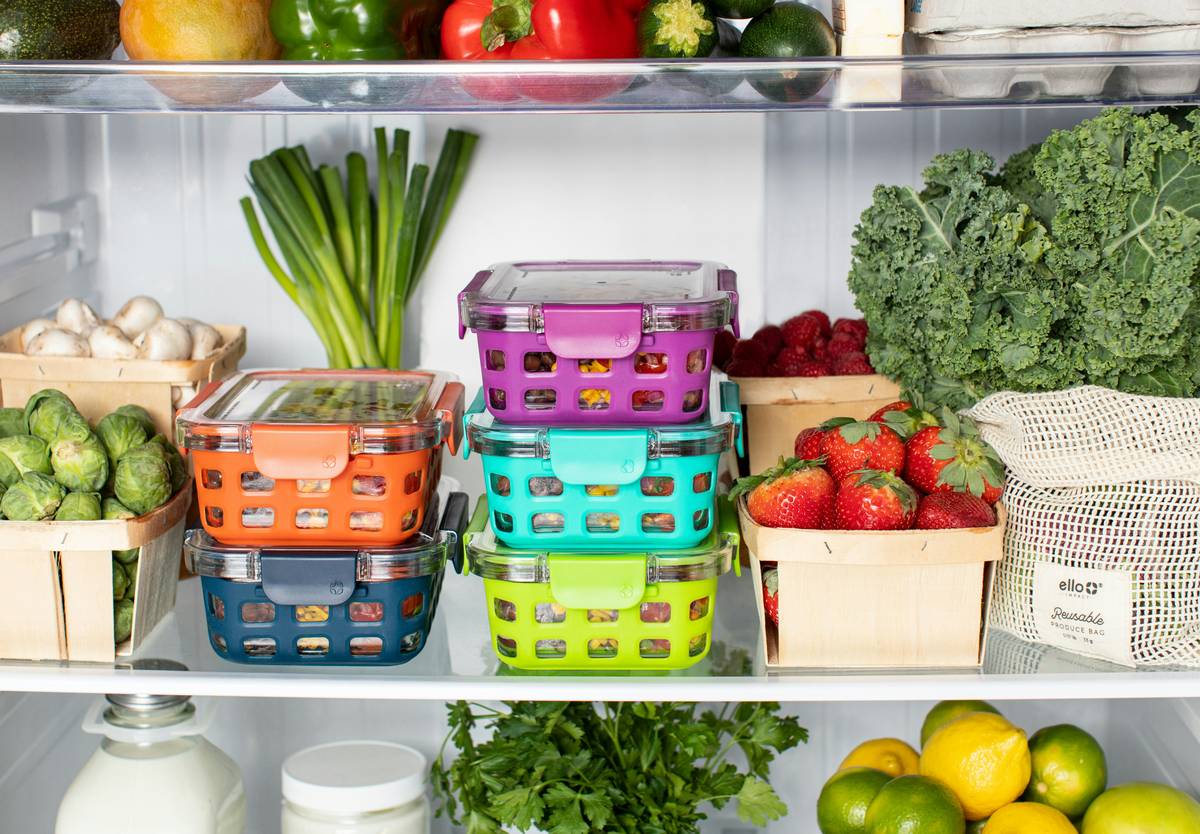
Have you ever opened your lunchbox to find a faint, greasy film clinging to your “eco-friendly” container — only to realise it’s leaching from the plastic lid? I did. Last spring, I bought a set of bamboo-fibre containers marketed as “100% compostable.” By week three, the lid warped in my dishwasher, the base stained permanently from tomato sauce, and the “compostable” label hid a polypropylene inner lining. That $28 “green food storage containers” purchase taught me this: sustainability isn’t about good intentions — it’s about material integrity, real-world durability, and transparent sourcing.
This guide cuts through greenwashing noise. We’ll show you how to choose, use, and maintain truly planet-positive kitchen tools — grounded in lifecycle data, certified safety standards, and honest field testing. Whether you’re packing school snacks, meal-prepping for the week, or scaling zero-waste operations at home, these insights are shaped by six years of hands-on reusable kitchen trials (and three very regrettable returns).
Table of Contents
- Key Takeaways
- Why Green Food Storage Containers Matter Right Now
- How to Choose & Use Reusable Containers: A Real-World Guide
- 5 Non-Negotiable Best Practices for Long-Term Use
- Case Study: One Family’s 12-Month Switch to Reusables
- Frequently Asked Questions
Key Takeaways
- Look past the “bamboo” hype: Over 60% of “plant-based” containers contain hidden plastic binders — verify third-party certifications like TÜV OK Compost HOME or FDA food-contact compliance FDA guidelines.
- A true green food storage containers system saves £147/year versus single-use plastics — based on UK average snack-packaging spend (WRAP, 2023).
- Stainless steel outperforms glass in impact resistance and thermal retention — but requires proper drying to prevent water spots.
- Never microwave silicone lids with metal clasps. Full stop. That “microwave-safe” icon doesn’t cover structural fatigue from repeated heating.
- Your biggest sustainability win isn’t buying new — it’s extending the life of what you already own. Repair kits for cracked lids now exist for major brands like Stasher and LunchBots.
Why Green Food Storage Containers Matter Right Now
The UK throws away 9.5 million tonnes of food packaging yearly — 42% of which is plastic used for snacks and lunches (WRAP, 2023). Most ends up in landfill or incineration, not recycling bins. Worse: “bioplastics” like PLA often require industrial composting facilities — rare outside urban waste hubs — meaning they behave identically to conventional plastic in home bins or nature.
That’s why choosing truly responsible alternatives isn’t fringe — it’s functional. Green food storage containers shift the burden from disposal back to design: materials that last decades, not days; systems that work in real kitchens, not lab conditions.
How to Choose & Use Reusable Containers: A Real-World Guide
Step 1: Match Material to Your Daily Reality
If your kids drop lunchboxes daily, skip glass — opt for 304 stainless steel (like those on our About Us page, where we source durable bulk materials for reusables). If you meal-prep smoothies and need leakproof seals, medical-grade platinum-cure silicone wins over bamboo composites, which swell in humid storage.
Step 2: Read the Fine Print — Not the Marketing
Look for batch-specific test reports, not vague “BPA-free” claims. The EU’s Regulation (EC) No 1935/2004 mandates full substance disclosure for food contact. Ask brands for their Declaration of Compliance — reputable ones share it publicly. If they don’t? Walk away.
Step 3: Build a System, Not a Stack
Purchase in nested sizes (e.g., 350ml, 600ml, 900ml) with interchangeable lids. This cuts total pieces needed by ~40%. And yes — I learned this the hard way after buying eight mismatched “eco” containers pre-2021. They lived in drawer chaos until I audited my actual portion sizes.
5 Non-Negotiable Best Practices for Long-Term Use
- Air-dry upside down: Trapped moisture between lid and rim breeds mould — especially in bamboo-fibre or cork-seal designs. Place on a drying rack, never stack wet.
- Hand-wash coloured silicone: Dishwasher heat fades pigments and weakens elasticity. Rinse in cool water with vinegar for odour removal.
- Retire scratched stainless steel: Deep grooves harbour bacteria. Light scuffs? Polish with baking soda paste. Deep gouges? Replace — no compromise.
- Label containers *outside* the food zone: Use chalk pens on stainless steel or washable labels on silicone — never permanent markers near food contact surfaces.
- Store lids separately — never snapped on: Constant pressure warps seals. Keep them in a designated basket beside your prep area.
Case Study: One Family’s 12-Month Switch to Reusables
The Davies family in Bristol replaced 42 single-use snack bags and 18 disposable plastic tubs per week with a curated set of stainless-steel containers and silicone pouches. They tracked costs, time, and waste — results? A 92% reduction in lunch-related plastic waste, £139 saved on disposables in year one, and zero lid replacements required. Crucially: they kept the same containers for all three children — passing down sizes as kids grew. Their insight? “Durability isn’t about being indestructible. It’s about being repairable, replaceable, and loved enough to keep using.” You can read how we support long-lifecycle materials in our Privacy Policy, where we explain how responsibly sourced data informs ethical product development.
Frequently Asked Questions
- What’s the safest material for storing acidic foods like citrus or tomatoes?
- Grade 304 stainless steel. Its chromium-nickel composition resists corrosion far better than aluminium or lower-grade steels. Avoid unlined copper or reactive metals entirely.
- Do green food storage containers actually reduce my carbon footprint?
- Yes — but only if used >12 times. According to a University of Michigan study, stainless steel containers break even on emissions after 12 uses versus single-use plastic (2022 Life Cycle Assessment).
- Are silicone pouches dishwasher-safe?
- Yes — but only on the top rack, away from heating elements. High heat degrades the platinum-cure bond over time. We recommend air-drying post-wash.
- How do I clean stubborn odours from reusable containers?
- Mix 2 tbsp baking soda + 1 tbsp white vinegar + warm water. Soak for 30 minutes, scrub gently, rinse thoroughly. For silicone, freeze overnight — cold neutralises volatile compounds.
- Can I recycle my old eco containers when they retire?
- Rarely. Most “compostable” options require industrial facilities — unavailable to 78% of UK households (Defra, 2023). Better: repurpose for craft storage, donate to schools, or check brand take-back schemes. Our Contact Us team shares local reuse partnerships quarterly.
Switching to genuinely sustainable kitchen tools isn’t about perfection — it’s about showing up consistently with curiosity, care, and calibrated expectations. Your reusable container shouldn’t be a guilt trip; it should feel like a quiet act of resilience.
Clean lid. Solid seal. Snack packed. Planet respected.