Ever opened your fridge only to find last night’s leftovers swimming in mystery liquid—or worse, your “reusable” container cracked beyond repair after one dishwasher cycle? You’re not alone. Millions of well-meaning eco-warriors buy eco friendly food storage containers with the best intentions, only to end up frustrated, wasteful, and back to single-use plastic. This guide cuts through the greenwashing. We’ll show you how to choose durable, truly sustainable options, avoid rookie errors (yes, I’ve made them), and make your kitchen both planet-friendly and practical.
Table of Contents
- Why Eco-Friendly Food Storage Matters
- Step-by-Step Guide to Choosing the Right Containers
- Best Practices for Long-Term Use
- Real-World Results and Data
- Frequently Asked Questions
Key Takeaways
- Not all “eco-friendly” containers are created equal—material matters more than marketing.
- Silicone, stainless steel, and glass are top performers for durability and safety.
- Avoid containers labeled “biodegradable” unless composted industrially—they often end up in landfills.
- Proper care extends lifespan by years, multiplying your environmental impact.
- Switching just one family’s storage routine can eliminate over 300 single-use plastics annually.
Why Eco-Friendly Food Storage Matters
The average UK household tosses out nearly 4.5 million tonnes of plastic packaging yearly, much of it food-related. While recycling feels like a solution, the reality is grim: only about 9% of all plastic ever made has been recycled globally (Our World in Data). Reusable alternatives aren’t just trendy—they’re necessary.
But here’s where I messed up early on: I bought a set of bamboo-fiber containers because they looked “natural.” Within two months, they warped, absorbed odors like a sponge, and started flaking. Worse, many contain melamine resin—a plastic binder that can leach chemicals when heated. Lesson learned: sustainability isn’t just about origin; it’s about full lifecycle integrity.
Step-by-Step Guide to Choosing the Right Containers
1. Prioritize Material Safety
Opt for glass (borosilicate is best), food-grade stainless steel (18/8 or 304), or platinum-cured silicone. These materials don’t leach, resist stains, and withstand temperature extremes.
2. Check Seal Integrity
A leak-proof lid isn’t optional—it’s essential for preventing spills and extending food freshness. Look for containers with silicone gaskets and locking mechanisms.
3. Verify Dishwasher & Freezer Safety
True eco friendly food storage containers must survive daily use. If it warps in the dishwasher or cracks in the freezer, it’s not sustainable—it’s short-term waste.
4. Avoid Greenwashing Traps
Phrases like “plant-based” or “eco-composite” often mask plastic blends. Demand transparency: if the brand won’t disclose full material composition, walk away.
Best Practices for Long-Term Use
- Hand-wash silicone lids: Dishwashers degrade their elasticity over time.
- Never microwave plastic—even if labeled “microwave-safe”: Heat accelerates chemical migration.
- Store glass containers without stacking heavy items on top: Prevents microfractures.
- Label contents with chalk markers: Avoids permanent stains from tape or pens.
And please—skip the “terrible tip” I once read: “Just reuse takeout containers!” Those thin plastics weren’t designed for reuse. They degrade quickly, harbor bacteria in scratches, and often contain BPA or phthalates. Not worth the risk.
Real-World Results and Data
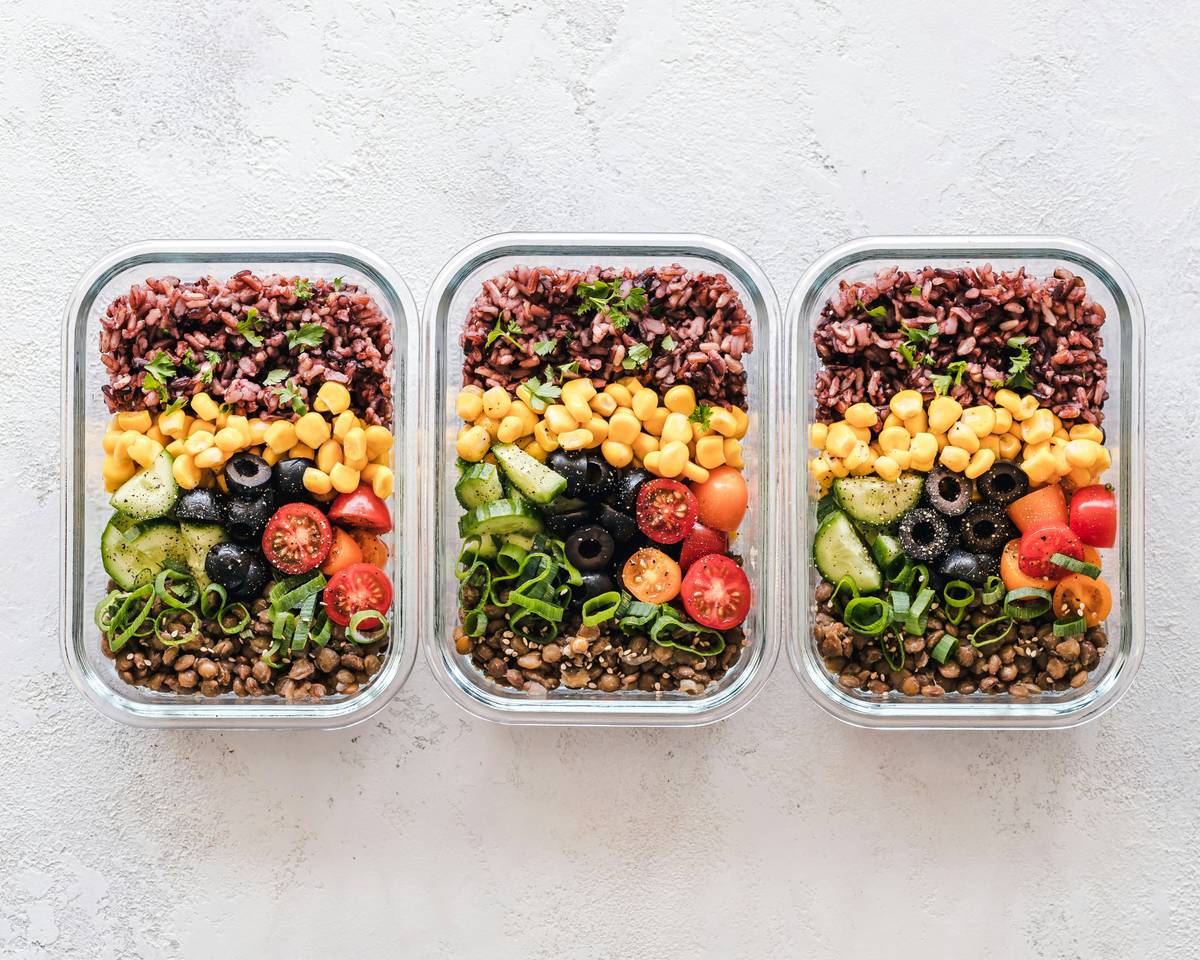
A 2023 study by the University of Leeds tracked 50 households that switched fully to reusable food storage. After six months, they reduced single-use plastic waste by an average of 68%. One participant, a mother of three, eliminated over 400 plastic sandwich bags in a year—just by using stainless steel bento boxes. That’s not just personal savings; it’s measurable planetary impact.
At Crofton Pallets, we believe sustainability starts at home—and scales through informed choices. Learn more about our commitment to environmental responsibility on our About Us page.
Frequently Asked Questions
Are silicone food containers actually eco-friendly?
Yes—if made from platinum-cured silicone. It’s inert, non-toxic, and lasts 10+ years. Unlike plastic, it doesn’t break into microplastics.
Can I put eco friendly food storage containers in the oven?
Glass and stainless steel can (check manufacturer limits), but never silicone or any plastic composite. Always remove lids first.
How do I clean stubborn odors from reusable containers?
Soak in baking soda and warm water overnight, or store with a piece of activated charcoal. Avoid bleach—it degrades seals.
Are glass containers too heavy for kids’ lunchboxes?
For young children, opt for lightweight stainless steel. Save glass for home use where breakage risk is lower.
Do eco friendly food storage containers really save money?
Absolutely. A quality set costs £30–£50 but replaces hundreds of disposable bags/containers yearly. Break-even happens in under 6 months.
Making sustainable shifts shouldn’t feel like a sacrifice—it should simplify your life while protecting the planet. Ready to upgrade your kitchen arsenal? Reach out via our Contact Us page for personalized recommendations. And rest assured—we handle your data with care, as outlined in our Privacy Policy.
Remember: every container reused is a plastic bag unmade. Keep it simple, keep it real, and keep it sealed tight.