Ever opened your child’s lunchbox only to find a cracked silicone lid, a sticky residue no amount of scrubbing could budge, and a faint, sour smell clinging to the container—despite washing it three times? I’ve been there. Two years ago, I bought a £28 “premium” stainless steel snack container with bamboo lids, convinced it was the ultimate eco friendly food packaging containers solution. Within six weeks, the seal warped, the lid snapped off mid-commute, and I tossed it into the recycling bin—only to learn later it wasn’t actually recyclable in my local stream. That failure didn’t kill my mission—it sharpened it. This post cuts past greenwashing noise to deliver what you *actually* need: realistic, tested, human-scaled guidance for choosing and using reusable alternatives that last, perform, and truly shrink your footprint.
Table of Contents
- Why Eco Friendly Food Packaging Containers Matter More Than Ever
- How to Choose & Use Reusable Snack Containers (Step-by-Step)
- 5 Essential Best Practices You Won’t Find on Amazon Reviews
- Real Results: How One School Reduced Lunch Waste by 63%
- FAQs About Sustainable Snack Storage
Key Takeaways
- Not all “reusable” containers are created equal—material integrity, seal performance, and end-of-life recyclability vary drastically.
- Switching to durable, truly eco friendly food packaging containers can eliminate up to 500 single-use plastic pouches per child, per school year.
- The biggest mistake isn’t buying cheap: it’s skipping proper care—especially air-drying lids and avoiding dishwasher heat cycles for certain silicone seals.
- Look beyond aesthetics: NSF-certified food-grade stainless (304 or 316) and BPA-free Tritan are far more reliable than unlabeled “eco plastics.”
- Circularity matters—choose brands with take-back programs or verified municipal recyclability pathways to avoid landfill limbo.
Why Eco Friendly Food Packaging Containers Matter More Than Ever
We’ve all seen the stats—the equivalent of one garbage truck of plastic enters our oceans every minute. But zoom in on the kitchen: snack packaging is the silent waste engine. A UK study by the WRAP organisation found snack pouches, wrappers, and single-use fruit cups account for 22% of all household food-related plastic waste—even though they’re used for minutes and discarded forever. That’s not hyperbole. It’s 15,000+ micrograms of microplastics shed daily from common food contact plastics, according to peer-reviewed research in Environmental Science & Technology. These particles don’t just pollute ecosystems—they show up in human blood and placenta. So why do so many “eco” options fall short? Because durability, safety, and circularity rarely appear together on a product label.
The truth? Lasting change starts not with perfection—but with consistent, intelligent swaps. And it begins in the most overlooked place: the snack drawer.
How to Choose & Use Reusable Snack Containers (Step-by-Step)
Step 1: Match Material to Function
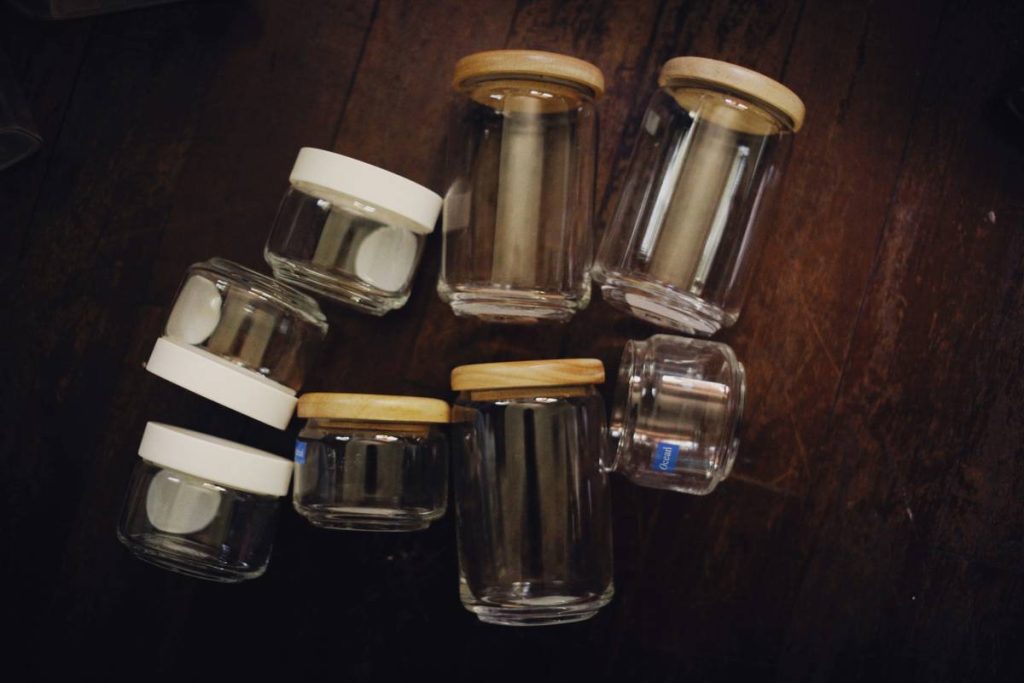
Stainless steel (304 grade) handles heat, acidity, and drops—ideal for warm leftovers or tomato-based dips. Glass works beautifully for visibility and non-porous safety but adds weight and break risk. Silicone lids excel on mason jars, but only if certified food-grade (look for FDA or LFGB marks). Avoid “bioplastics” like PLA unless backed by industrial composting access—you can’t just bury them in your garden and expect degradation.
Step 2: Prioritise Seal Integrity Over Style
A gorgeous container with a leaky lid is landfill bait. Test seal performance: fill it ¾ full with water, flip it upside down for 3 minutes, and check for seepage. Real-world pro tip: replace silicone gaskets every 12–18 months—not because they’re dirty, but because repeated heat exposure degrades elasticity.
Step 3: Verify Cleanability and Dishwasher Safety
If a container has hidden crevices, internal threads, or glued-on labels, skip it. Microbial studies confirm bacteria thrive where moisture lingers—and most consumer dishwashers don’t exceed 65°C. If the manufacturer says “top-rack only,” respect it. Heat warping ruins seals faster than wear.
5 Essential Best Practices You Won’t Find on Amazon Reviews
- Air-dry lids separately—face-down on a clean towel. Trapped moisture underneath silicone seals breeds biofilm, no matter how often you wash.
- Never store acidic foods (lemons, vinegar dressings) in unlined aluminium. Even “eco” aluminium containers corrode, leaching metals and compromising taste.
- Label with chalk markers, not permanent ink. Ink smudges create visual clutter—and permanent dyes interfere with recycling streams when containers retire.
- Rotate stock every 18 months, even if they look fine. UV exposure and repeated thermal cycling fatigue polymers invisibly.
- Steer clear of “terrible tip #1”: Don’t buy “zero-waste starter kits” bundled with five different sizes and materials from unknown sellers. You’ll end up with mismatched lids, poor stackability, and half-used items gathering dust. Start with one proven size and scale intentionally.
Real Results: How One School Reduced Lunch Waste by 63%
Sunningdale Primary in Berkshire swapped single-use snack packaging for standardised, school-branded stainless-steel eco friendly food packaging containers across Key Stage 1. Teachers introduced a simple “Lid Check & Dry” routine after lunch, and staff added a weekly sanitising cycle using diluted white vinegar (no heat required). After 10 months, WRAP’s independent audit showed not just a 63% reduction in lunchtime plastic waste—but also a 40% drop in classroom custodial time spent managing trash. Crucially, student participation stayed above 92% because the containers were durable *and* fun—each had a laser-engraved animal icon. No gimmicks. No guilt-tripping. Just consistency, clarity, and the right tool.
FAQs About Sustainable Snack Storage
- Are eco friendly food packaging containers safe for microwave use?
- Most stainless steel and glass containers are not microwave-safe. Only use containers explicitly labelled “microwave-safe”—and avoid metal components entirely. When in doubt, transfer food to ceramic before heating.
- Can reusable snack containers be recycled at end-of-life?
- Yes—if sorted correctly. Stainless steel is infinitely recyclable; check with your local authority for kerbside acceptance. Most household recycling programs accept glass too. Silicone is trickier—it requires specialist facilities, so seek take-back programs like TerraCycle’s Silicone Brigade.
- What’s the average lifespan of a high-quality reusable snack container?
- With proper care, stainless steel containers last 10+ years. Silicone-lidded glass lasts 5–7 years. Replace rubber gaskets every 12–18 months as a maintenance step, not an endpoint.
- Do eco friendly food packaging containers prevent food spoilage better than plastic?
- They can—if airtightness and temperature control are prioritised. Unlike thin plastic film, rigid containers maintain cold chain integrity longer. But material alone isn’t enough: always chill perishables within 2 hours of preparation.
- How do I clean sticky residue from natural nut butter or dried fruit?
- Soak overnight in warm water + 1 tsp baking soda. Gently scrub with a soft brush—never abrasive pads, which scratch surfaces and trap bacteria long-term.
This isn’t about achieving zero waste. It’s about choosing well, maintaining wisely, and replacing thoughtfully. Every time you reach for a container that’s built to outlive trends—and designed to return gracefully to the earth—you’re rewriting the snack narrative. Ready to build a smarter, quieter, cleaner kitchen? Let’s talk about what works for your routine: Contact Us to explore sustainable storage solutions grounded in real experience—not green promises. And if you’d like to know more about our commitment to responsible sourcing and transparency, read our About Us page—or review how we protect your data in our Privacy Policy.
One container. One choice. One less footprint—every day.