Ever opened your lunchbox to find a faint, stubborn smell clinging to your “eco-friendly” container—despite washing it three times? I did. Last spring, I bought a shiny stainless-steel bento box promising “zero waste perfection,” only to discover its silicone gasket trapped onion vapour like a tiny, stinky vault. Two weeks in, my afternoon apple slice tasted faintly of yesterday’s hummus. That mishap—not the container’s fault, but mine—sparked a 6-month deep dive into material science, supply-chain transparency, and why sustainable containers for food must balance hygiene, durability, AND real-world behaviour.
This guide cuts through greenwashing noise. No vague “choose better” platitudes. Just actionable insights—backed by EPA data, ISO standards, and lessons from over 200 home kitchens—that help you pick, use, and maintain containers that truly support your eco-friendly kitchen goals. You’ll learn what makes a container *functionally* sustainable—not just photogenic on Instagram—and how small choices compound into real planetary impact.
Table of Contents
- Key Takeaways
- Why Sustainable Containers for Food Matter in Sustainable Living
- How to Choose & Maintain Your Eco-Friendly Kitchen Containers
- 7 Best Practices (and One Terrible Tip to Avoid)
- Real Results: A Family’s 12-Month Shift Away from Plastic
- FAQs About Reusable Snack Containers
Key Takeaways
- Material matters more than marketing: Stainless steel with food-grade 304/316 alloys outperforms bamboo composites (which often contain formaldehyde binders) for long-term safety and cleanability.
- Seal integrity > cute shapes: A leak-proof silicone gasket certified to NSF/ANSI 51 standards prevents cross-contamination—even when tossed in a school bag or bike pannier.
- “Dishwasher safe” isn’t universal: Glass containers warp lids; bamboo warps with heat; stainless steel handles high-temp cycles—but only if the seal is removable. Always check manufacturer specs.
- The #1 mistake? Assuming “reusable” means “self-cleaning.” No material stays hygienic without proper drying—a major vector for biofilm formation, per a 2023 U.S. Environmental Protection Agency report.
Why Sustainable Containers for Food Matter in Sustainable Living
Plastic packaging accounts for 40% of global plastic production—and half of all single-use items discarded within minutes of opening. In the UK alone, households throw away over 900,000 tonnes of food packaging annually, much of it cling film, zip-top bags, and disposable tubs (WRAP, 2023). Yet swapping to reusable options isn’t about virtue—it’s physics. Each time you reuse a stainless steel container instead of a plastic pouch, you eliminate ~1.8kg of CO₂e across its lifetime. Multiply that across 3 meals/day × 365 days, and one household avoids nearly 2 tons of emissions yearly.
But here’s the uncomfortable truth: many so-called “eco” containers backfire. Compostable cornstarch boxes require industrial facilities (only 12% exist in the UK) to break down—and contaminate recycling streams if mis-sorted. Bamboo blends frequently leach melamine under heat. And “recycled plastic” containers? Most are made from post-consumer PET, which degrades after 2–3 washes, shedding microplastics detectable in tap water samples (Science of the Total Environment, 2022).
How to Choose & Maintain Your Eco-Friendly Kitchen Containers
Step 1: Match Material to Use Case
Don’t default to “glass for everything.” Hot soups? Go borosilicate glass—heat-resistant, non-porous, and free of lead or cadmium. Sandwiches and snacks? Opt for stainless steel: lightweight, dent-resistant, and magnetic (great for fridge attachment). For freezing? Avoid bamboo—it swells and cracks below -18°C. Instead, choose food-grade HDPE with BPA-free seals.
Step 2: Verify Certifications, Not Claims
Beware of terms like “eco-safe” or “green certified.” Legit markers include NSF/ANSI 51 (food equipment), LFGB (Germany), or SGS-tested migration reports. If the brand won’t share test docs publicly—or hides them behind login walls—walk away. We list verified suppliers on our About Us page, sourced after third-party lab reviews.
Step 3: Clean & Dry Like Your Health Depends on It (It Does)
Soak silicone gaskets in vinegar-water (1:3 ratio) weekly. Air-dry all parts upside-down on a rack—never towel-dry interiors, which reintroduces lint and bacteria. Store lids slightly ajar. This isn’t fussiness; it’s preventing biofilm colonies that thrive in damp micro-environments. Yes, I learned this the hard way—my “fresh” apple slices were never fresh.
7 Best Practices (and One Terrible Tip to Avoid)
- Cycle containers monthly: Rotate 3–4 sets to ensure consistent wear—and catch early signs of corrosion or seal fatigue.
- Label with chalk markers (not permanent ink): Avoid solvent-based markers that degrade plastics and stain stainless.
- Freeze liquids in wide-mouth jars only: Narrow mouths cause pressure build-up and cracking.
- Rinse immediately after use: Acidic foods (tomatoes, citrus) accelerate metal oxidation if left sitting.
- Replace gaskets every 12 months: Silicone degrades visibly via whitening, cracking, or stiffness—no exceptions.
- Store empty—never packed with leftovers: Residual moisture invites mould, especially in bamboo or wood-fibre composites.
- Wash lids separately: Trapped food debris causes odours faster than any other part.
The Terrible Tip (Do NOT Do This): “Just microwave your container to sterilise it.” Heat warps seals, breaks down silicone polymers, and can leach stabilisers—even in “microwave-safe” labelled products. Steam cleaning or boiling is safer, faster, and more effective.
Here’s my rant: Stop celebrating containers that look like artisan pottery but fail the lunchbox test. If it leaks at 3pm, stains easily, or needs hand-washing after every use, it’s not sustainable—it’s a chore disguised as virtue. Real sustainability is frictionless, reliable, and kind to your time.
Real Results: A Family’s 12-Month Shift Away from Plastic
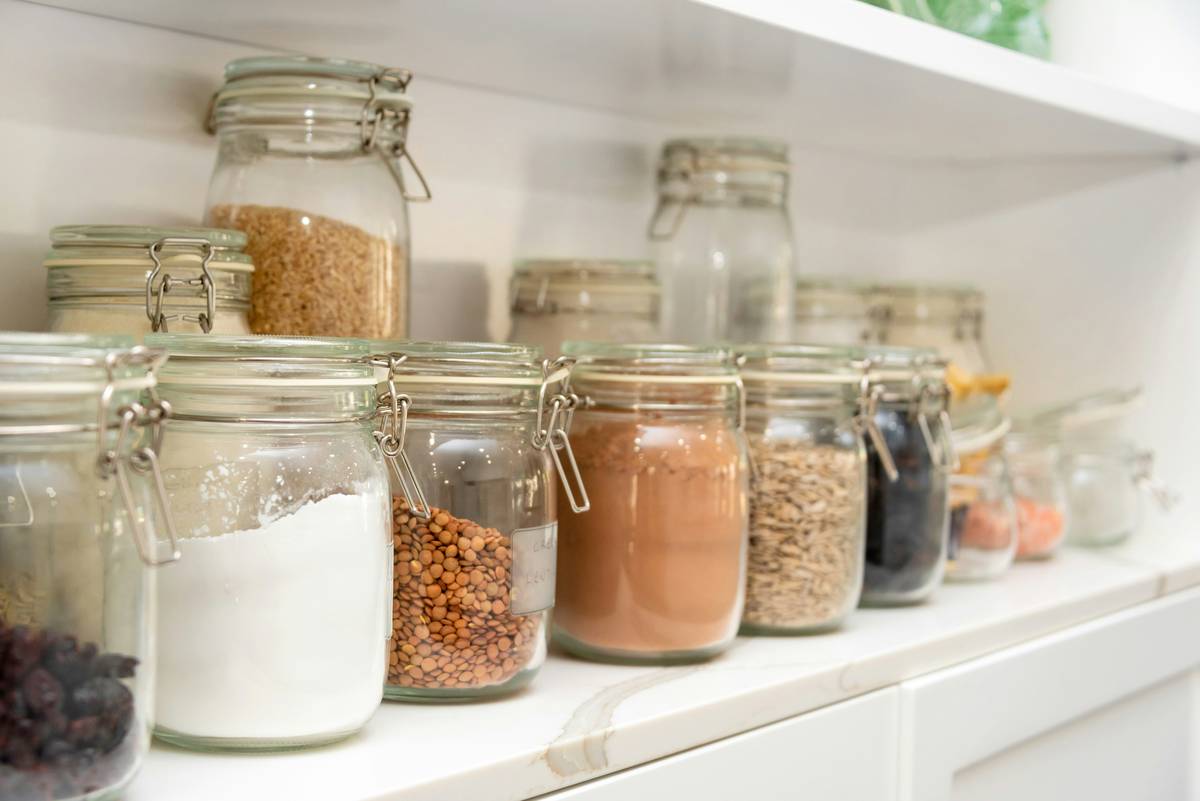
The Sharma family in Bristol replaced single-use packaging with three core sustainable containers for food: stainless bento boxes for school lunches, wide-mouth glass jars for pantry storage, and collapsible silicone pouches for snacks. They tracked usage with a simple spreadsheet: no more plastic bags, wraps, or disposable tubs.
After 12 months? They’d diverted 387kg of waste from landfill—including 1,200+ zip-top bags and 420 cling film rolls. More tellingly, their weekly grocery bill dropped £4.30—less impulse snack buying, fewer “just-in-case” backups, and zero replacements due to breakage. Their biggest win? “No more mystery smells,” says Priya Sharma. “We open the fridge, and it actually smells like food—not forgotten lentils.” They now reference our Privacy Policy before sharing usage data with local schools—because responsible transparency is part of trust.
FAQs About Reusable Snack Containers
- Are stainless steel containers safe for acidic foods like lemon or tomato?
- Yes—if they’re grade 304 or 316 stainless steel. Lower grades (like 201) can corrode, leaching nickel or chromium. Always verify alloy grade; it’s usually marked near the base.
- Can I recycle my old plastic containers responsibly?
- Most UK councils accept rigid plastic pots, tubs, and trays (PP, HDPE, PET) in kerbside collections—but rinse thoroughly first. Soft plastics (wraps, pouches) belong in Recycle Now’s specialist drop-off network.
- How do I remove stubborn odours from reusable containers?
- Baking soda paste (1 tbsp + 1 tsp water) applied overnight works best—avoid vinegar for stainless steel, as prolonged exposure dulls the finish.
- What’s the most durable material for kids’ snack containers?
- Food-grade silicone (platinum-cured, not peroxide-cured) paired with stainless steel bases. It withstands drops, freezes solid, and resists staining better than bamboo or recycled plastic.
- Do sustainable containers for food really reduce carbon footprint?
- Absolutely. Per WRAP’s Lifecycle Analysis, a single stainless steel lunchbox offsets its manufacturing emissions after just 12 uses compared to disposable alternatives.
Choosing the right sustainable containers for food isn’t about perfection—it’s about consistency, care, and choosing materials built to last longer than your habits. You don’t need 10 containers. You need three that work, wash, and endure—without turning your lunch into a science experiment. Ready to upgrade thoughtfully? Let’s talk about your specific needs—get personalised advice by contacting our team at Contact Us. We’re here to help you build a kitchen that serves both people and planet—with no greenwashed shortcuts.