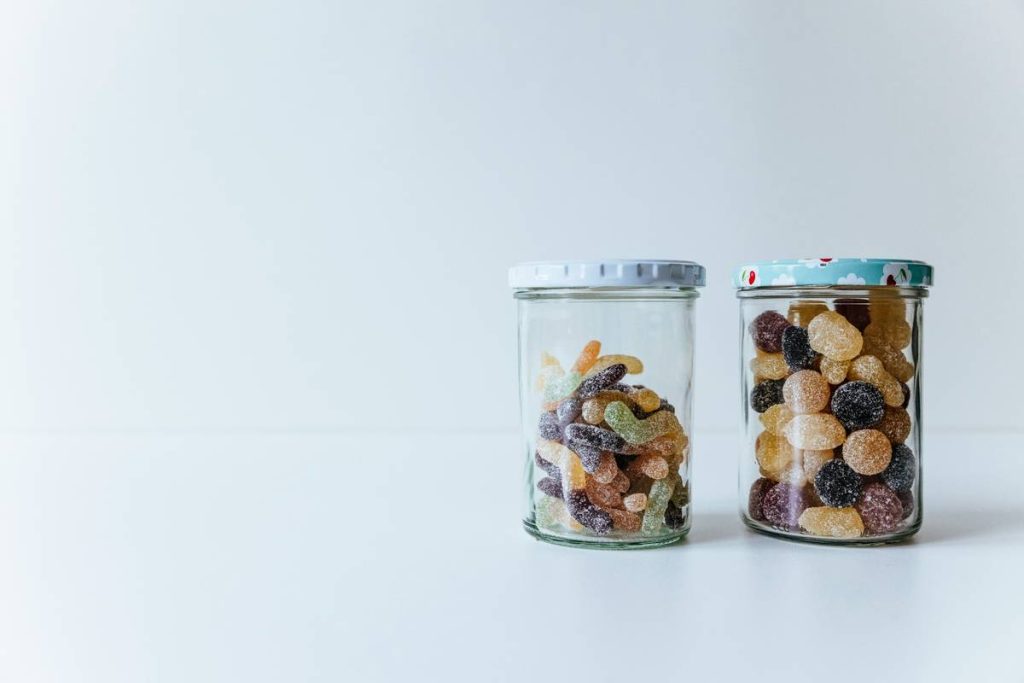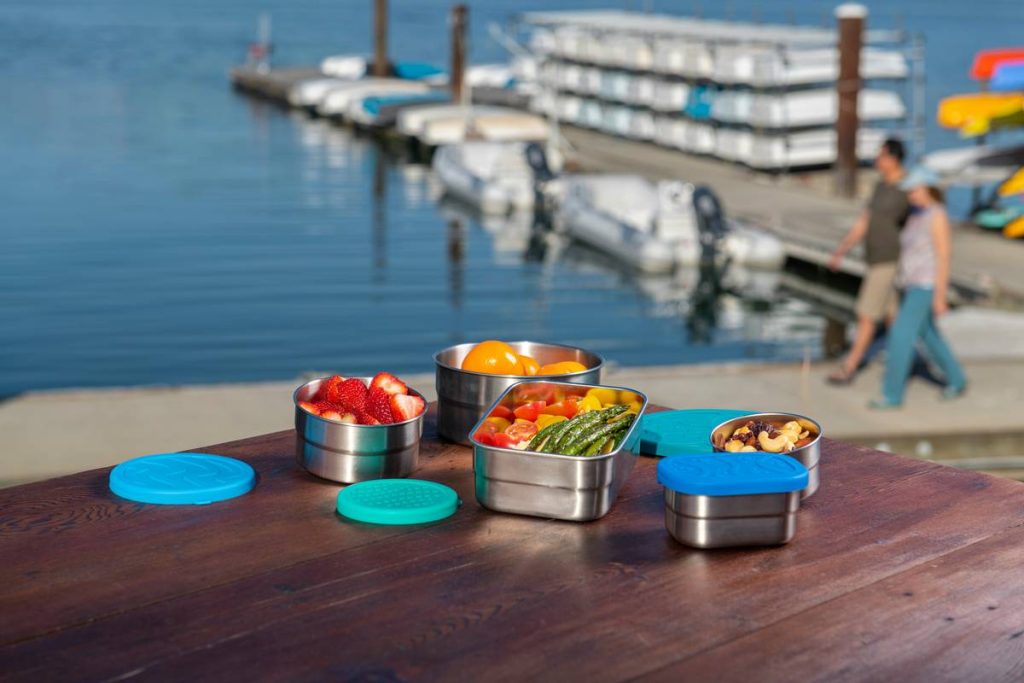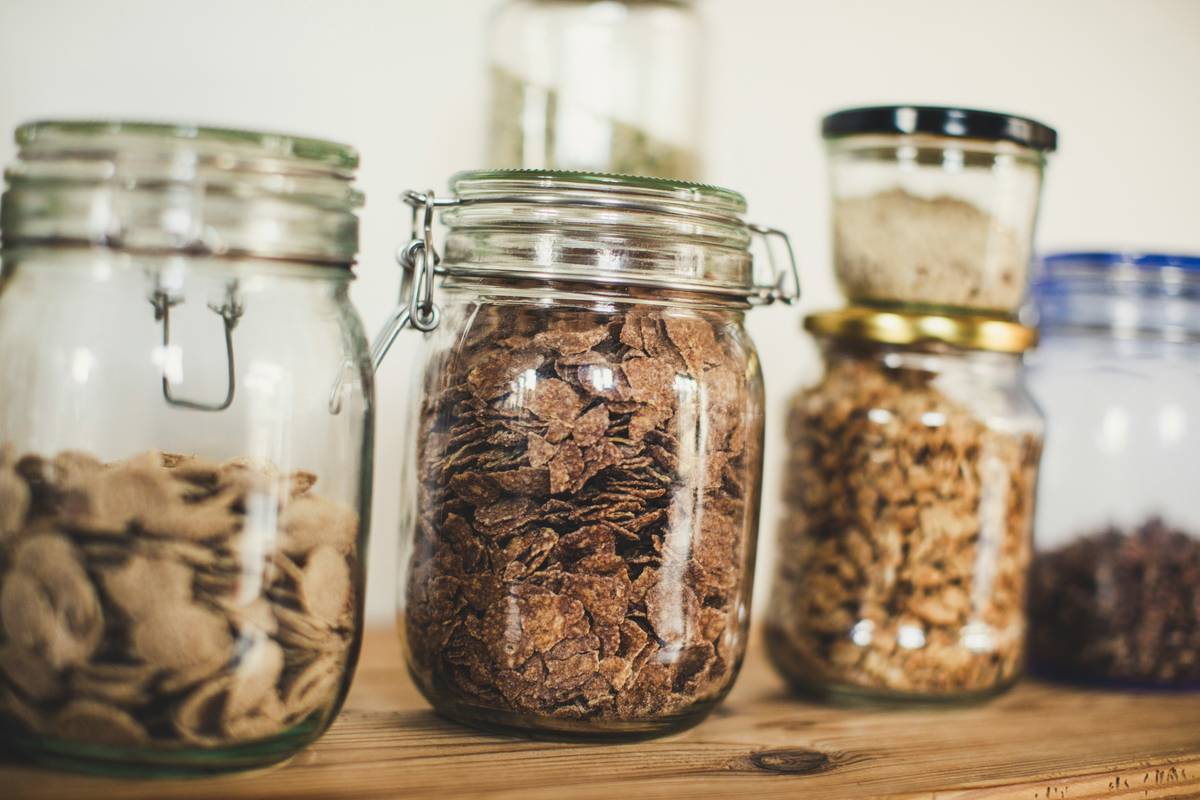
Ever opened your lunch box only to find yesterday’s hummus bleeding into your apple slices? You’re not alone. In our quest for sustainable living, many of us grab trendy eco-kitchen gear—only to discover flimsy lids, leaky seals, or containers that warp after one dishwasher cycle. If you’ve wasted money on “reusable” snack kits that barely survive a week, this guide is for you.
Here, we’ll explore why a well-designed lunch box with removable containers is a cornerstone of zero-waste kitchens—and how to pick (and use) one that actually lasts. From avoiding plastic pitfalls to mastering meal prep, these seven no-nonsense tips draw from real-world trial, error, and hard-won experience in the Eco-Friendly Kitchen niche.
Table of Contents
- Why Your Snack Container Choice Impacts Sustainability
- Step-by-Step Guide to Choosing & Using Yours
- Best Practices for Long-Term Use
- Real Results: What Happens When You Get It Right
- Frequently Asked Questions
Key Takeaways
- A quality lunch box with removable containers reduces single-use plastic waste by up to 300 items per person annually (EPA).
- Silicone seals and modular designs prevent leaks and extend product life.
- Dishwasher-safe materials like stainless steel or BPA-free Tritan outperform cheap plastics.
- Proper stacking and storage prevent warping—a common rookie mistake (I learned this the hard way).
Why Your Snack Container Choice Impacts Sustainability
Let’s be honest: not all reusable containers are created equal. Many “eco-friendly” lunch kits sold online use thin, brittle plastic that cracks within months—ending up in landfills just like the disposables they replaced. According to the Environmental Protection Agency, food packaging accounts for nearly 23% of municipal solid waste in the U.S., and flimsy reusables often accelerate, rather than solve, this problem.
I once bought a colorful set labeled “100% reusable”—only to watch the dividers crack during my commute. Worse, the lid snapped shut mid-bite, launching carrot sticks across a coworker’s desk. Embarrassing? Yes. Preventable? Absolutely. That’s why investing in a durable lunch box with removable containers isn’t just smart—it’s essential for genuine sustainability.
Step-by-Step Guide to Choosing & Using Yours
1. Prioritize Material Over Aesthetics
Choose food-grade stainless steel or BPA-free Tritan plastic. Avoid vague terms like “eco-plastic”—look for specific certifications. Stainless steel resists odors, stains, and heat damage better than most alternatives.
2. Test the Seal Before Buying
If shopping online, read reviews mentioning “leak test.” At home, fill compartments with water, snap the lid, and shake gently upside down over the sink. No drips? You’re good.
3. Check Dishwasher Compatibility
Top-rack dishwasher safety matters. Hand-washing every night defeats the convenience purpose—and increases the chance you’ll abandon the system altogether.
Best Practices for Long-Term Use
- Don’t overfill wet foods. Leave ¼ inch of headspace to prevent pressure leaks.
- Store components unassembled. Trapped moisture breeds mold. I keep mine in a drying rack overnight—simple but critical.
- Avoid microwaving plastic inserts. Even “microwave-safe” plastics can degrade with repeated heating. Transfer to glass if reheating.
- Replace worn seals immediately. Most brands sell spare gaskets—check their site before tossing the whole unit.
And here’s a terrible tip I’ve heard: “Just duct tape the broken latch.” Don’t. It’s unsafe, unhygienic, and defeats the point of a sleek, modular design.
Real Results: What Happens When You Get It Right
Last year, a family of four switched to a high-quality lunch box with removable containers after tracking their single-use waste. Within six months, they eliminated 428 plastic bags, wraps, and disposable trays. Their secret? Choosing a system with interchangeable stainless compartments and committing to nightly rinsing.
Beyond waste reduction, they saved £180 annually on replacement containers and snack packs. Plus, their kids’ lunches stayed fresher—thanks to airtight silicone gaskets that kept cut fruit from browning. Small changes, massive ripple effects.
At Crofton Pallets, we believe sustainability starts in everyday habits. Learn more about our values on our About Us page—and yes, we practice what we preach in our own break rooms.
Frequently Asked Questions
Are lunch boxes with removable containers dishwasher safe?
Most high-quality models are top-rack dishwasher safe, but always check manufacturer guidelines. Stainless steel versions typically handle heat better than plastic ones.
Can I freeze meals in a lunch box with removable containers?
Yes—provided the material is freezer-rated. Stainless steel and Tritan handle freezing well; avoid glass inserts unless explicitly labeled as freezer-safe.
How do I prevent odors from lingering in reusable compartments?
Rinse immediately after use, then soak in baking soda and warm water for 15 minutes weekly. Never store food residue overnight.
What’s the average lifespan of a quality set?
With proper care, 3–5 years. Compare that to cheap sets that fail in under 6 months—and you’ll see the true eco and economic win.
Ready to ditch disposable chaos for organized, planet-friendly lunches? We’d love to hear your story—or help you choose the right system. Reach out anytime via our Contact Us page. And rest assured, your data stays protected under our Privacy Policy.
Final thought: A great lunch box doesn’t just carry food—it carries intention. One container at a time, we pack less waste and more care.