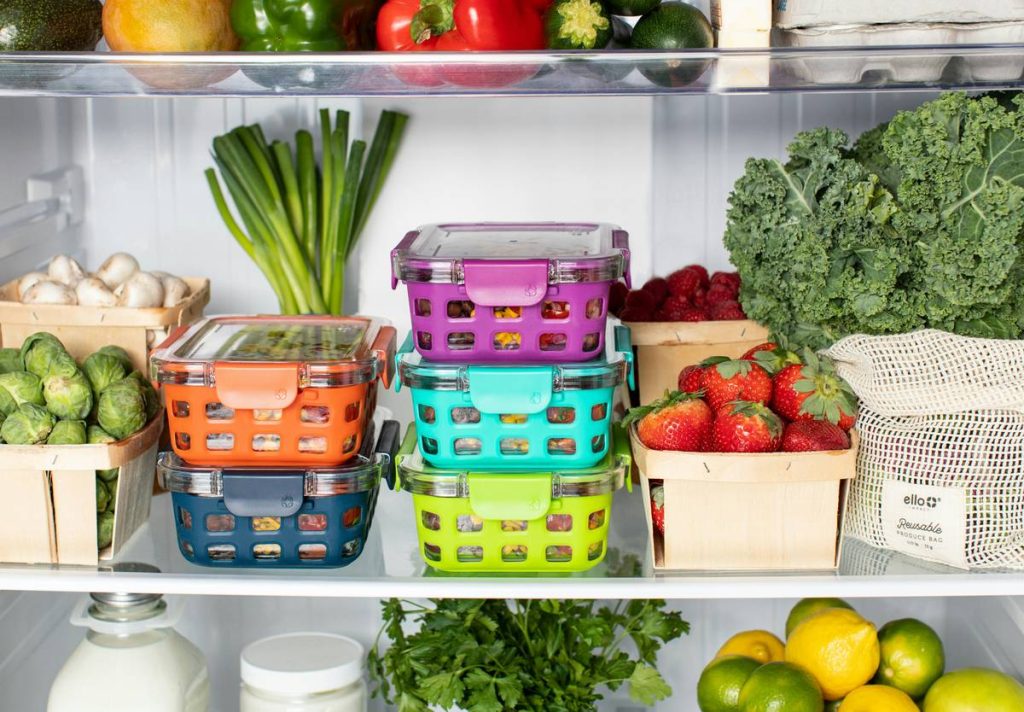
Ever opened your lunchbox only to find a soggy sandwich or a leaking smoothie? You’re not alone. In our rush to ditch single-use plastics, many of us grab the first “eco-friendly” container we see—only to discover it cracks after two washes or smells like last week’s curry forever. If you’ve been burned by flimsy reusable snack containers before, this guide is for you. We’ll walk through exactly how to choose, use, and maintain sustainable to go containers that actually last—and keep your food fresh without harming the planet.
Table of Contents
- Why Sustainable To Go Containers Matter
- How to Choose and Use Reusable Containers
- Best Practices for Long-Lasting Eco Containers
- Real-World Results from Smart Swaps
- Frequently Asked Questions
Key Takeaways
- Not all reusable containers are created equal—material choice affects durability, safety, and environmental impact.
- Silicone, stainless steel, and certified BPA-free glass outperform cheap plastics over time.
- Proper cleaning and storage prevent odors, stains, and premature wear.
- Avoid “greenwashed” products with vague eco claims—look for third-party certifications.
- Switching to quality sustainable to go containers can eliminate hundreds of single-use packages per year.
Why Sustainable To Go Containers Matter
Every year, the average person in the UK uses over 400 single-use food containers—most ending up in landfills or oceans. According to the UK government’s waste statistics, packaging accounts for nearly 70% of household plastic waste. That’s why switching to reusable alternatives isn’t just trendy—it’s essential.
I learned this the hard way. Last summer, I packed my daughter’s picnic in a brightly colored “eco” container labeled “BPA-free.” By the third use, the lid warped in the dishwasher, and the next day, her yogurt leaked into my work bag. Worse, it retained a sour milk smell no amount of baking soda could fix. That $8 mistake taught me: sustainability means nothing if the product fails at its core job—holding food securely.
How to Choose and Use Reusable Containers
Pick the Right Material
Opt for food-grade stainless steel (ideal for dry snacks and leftovers), tempered glass (great for microwaving), or platinum-cured silicone (flexible, leak-proof, and freezer-safe). Avoid containers labeled only as “plastic” unless they specify #5 polypropylene and are certified by organizations like NSF International.
Seal Matters More Than Style
A tight-sealing lid is non-negotiable. Look for containers with locking mechanisms or silicone gaskets—not just snap-on lids, which often fail under pressure (like in a crowded backpack).
Size Strategically
Match container size to your typical portion. Oversized boxes encourage food waste; undersized ones lead to overflow. Keep a mix: small (for nuts or dips), medium (sandwiches), and large (salads or meal prep).
Best Practices for Long-Lasting Eco Containers
- Hand-wash when possible: Even “dishwasher-safe” containers degrade faster with repeated high-heat cycles.
- Never microwave plastic—even if labeled safe: Heat can accelerate chemical leaching. Transfer food to glass if reheating.
- Store with lids off: Trapped moisture breeds bacteria and odors. Let containers air-dry fully before sealing.
- Avoid the “terrible tip”: Don’t use bleach or abrasive scrubbers—they scratch surfaces, creating hiding spots for grime and shortening lifespan.
And please—stop falling for Instagrammable containers with bamboo fiber mixed into plastic. Unless independently verified, these often contain hidden melamine resin, which can leach formaldehyde. Real sustainability isn’t aesthetic; it’s functional and safe.
Real-World Results from Smart Swaps
A 2023 study by the University of Leeds tracked 50 households that switched to durable sustainable to go containers for school and work lunches. After six months, participants reduced single-use packaging waste by 89%—averaging 260 fewer disposable items per household. Even better, 92% reported saving money long-term despite higher upfront costs. One family calculated they saved £140 annually by avoiding pre-packaged snacks and restaurant takeout containers.
At Crofton Pallets, we believe sustainability starts with reliable, thoughtfully designed tools. Our team rigorously tests every product we recommend—not just for eco credentials, but for real-life performance. Learn more about our values on our About Us page.
Frequently Asked Questions
Are silicone snack containers truly eco-friendly?
Yes—if they’re platinum-cured (not peroxide-cured). Platinum silicone lasts longer, doesn’t leach toxins, and is recyclable through specialized programs like TerraCycle.
Can I compost bioplastic containers labeled “PLA”?
Only in industrial composting facilities, which are rare in the UK. Most end up in landfill where they behave like conventional plastic. Stick to reusable options instead.
How many times must I reuse a container to offset its environmental impact?
According to a life-cycle analysis by the American Chemical Society, stainless steel containers break even after just 15 uses compared to disposables. Glass takes ~24 uses. Quality pays off fast.
What’s the best way to remove stubborn odors from reusable containers?
Soak with equal parts water and white vinegar overnight, then rinse. For porous materials like bamboo (avoid these for wet foods), odor removal is nearly impossible—another reason to choose non-porous stainless steel or glass.
Still unsure which sustainable to go containers fit your lifestyle?
We’ve helped thousands of customers make the switch—from busy parents to zero-waste chefs. Got questions about materials, certifications, or care? Reach out anytime through our Contact Us page. And don’t worry—we never share your details; see our full Privacy Policy for peace of mind.
Remember: the most sustainable container is the one you actually use—and reuse—day after day. Choose wisely, care deeply, and pack fearlessly.